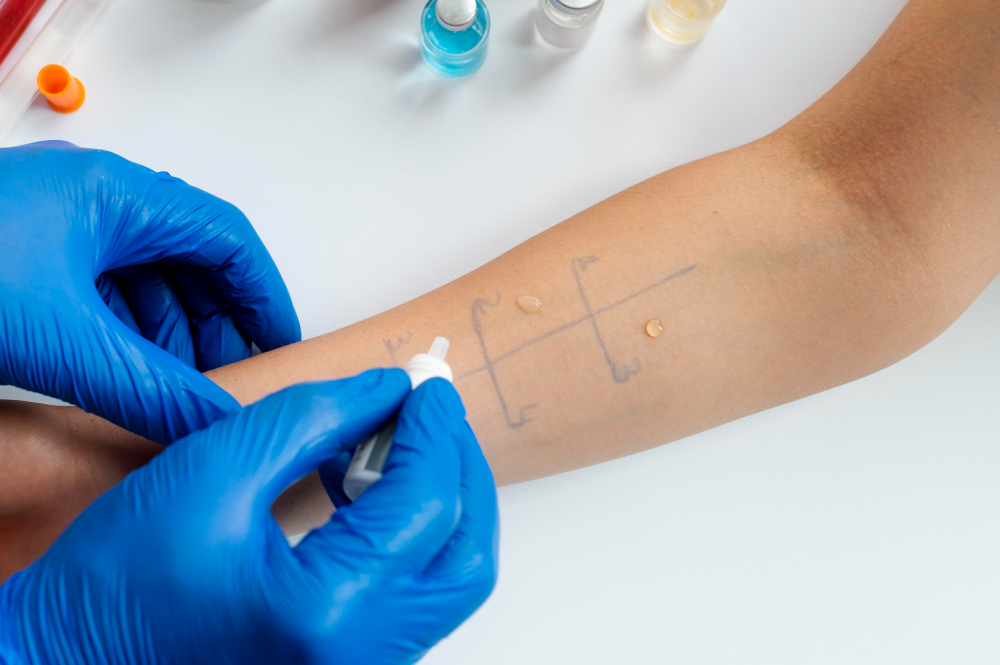
A suspected medication allergy can affect your future medical care for years. If you have been told you are allergic to penicillin, amoxicillin, antibiotics, aspirin, pain relievers, or another medication, it is important to understand whether the reaction was a true allergy, a side effect, or a temporary reaction that may no longer apply.
At Steven Schnipper MD, PC, patients receive personalized evaluation from an experienced board-certified allergist with offices in Murray Hill, NYC and New Rochelle, NY. Dr. Steven Schnipper evaluates suspected penicillin allergies and other drug allergies to help patients better understand their medication risks and make safer, more informed treatment decisions.
Call the office or book online today to schedule a drug allergy consultation.
What Is a Drug Allergy?
A drug allergy happens when the immune system reacts to a medication as if it were harmful. Drug allergies can cause symptoms such as rash, hives, itching, swelling, breathing problems, or, in rare cases, a severe allergic reaction called anaphylaxis.
Not every reaction to a medication is a true allergy. Some symptoms are side effects, medication intolerance, interactions, or symptoms from the illness being treated. For example, nausea, diarrhea, headache, or mild stomach upset may occur with certain medications but may not mean the immune system is allergic to the drug.
A careful allergy evaluation can help separate a true medication allergy from a non-allergic reaction.
Why Penicillin Allergy Evaluation Matters
Penicillin allergy is one of the most commonly reported drug allergies, but many people who carry a penicillin allergy label are not truly allergic. The CDC notes that about 10% of U.S. patients report a penicillin allergy, but when evaluated, less than 1% are truly allergic. The CDC also notes that a penicillin allergy label can lead to second-line broad-spectrum antibiotics, which may be associated with less optimal therapy, antimicrobial resistance, adverse events, and higher healthcare costs.
The American Academy of Allergy, Asthma & Immunology also reports that approximately 10% of patients report penicillin allergy, but the majority — greater than 90% — may not truly be allergic. Many people also lose penicillin allergy over time.
For patients who were labeled allergic years ago, especially in childhood, an updated evaluation can be valuable.
Common Symptoms of Drug Allergies
Drug allergy symptoms can appear soon after taking a medication or sometimes later, depending on the type of reaction.
Possible Drug Allergy Symptoms Include:
- Hives
- Itchy skin
- Rash
- Swelling of the lips, eyelids, face, tongue, hands, or feet
- Wheezing
- Chest tightness
- Shortness of breath
- Throat tightness
- Dizziness or fainting
- Fever with rash
- Skin peeling or blistering
- Anaphylaxis
Symptoms can vary from mild to serious. A detailed history of the timing, medication dose, symptoms, and treatment received is essential.
When a Drug Reaction May Be an Emergency
Some medication reactions require immediate medical attention. Do not wait for an office appointment if symptoms are severe or rapidly worsening.
Seek Emergency Medical Care Immediately If You Have:
- Trouble breathing
- Throat tightness
- Tongue swelling
- Severe facial or lip swelling
- Dizziness or fainting
- Chest tightness
- Widespread hives with breathing or stomach symptoms
- Skin blistering, peeling, or painful rash
- High fever with rash
- Symptoms involving more than one body system after taking medication
These symptoms may suggest anaphylaxis or another serious drug reaction.
Penicillin Allergy: What Patients Should Know
Penicillin and related antibiotics are commonly used to treat bacterial infections. A penicillin allergy label can limit treatment choices, even when the original reaction may not have been a true allergy.
You May Benefit From Penicillin Allergy Evaluation If:
- You were labeled allergic to penicillin as a child
- You do not remember the reaction
- Your reaction was many years ago
- You had a rash while sick and taking antibiotics
- You were told to avoid amoxicillin, Augmentin, or penicillin
- You have needed alternative antibiotics because of a penicillin allergy label
- Your doctors want clarification before surgery, dental treatment, pregnancy care, or infection treatment
- You are unsure whether your symptoms were allergy, side effect, or intolerance
A medical review published in JAMA notes that IgE-mediated penicillin allergy can decrease over time, with many patients becoming tolerant after a decade. It also reports that cross-reactivity between penicillin and cephalosporins is much lower than older estimates suggested.
Penicillin Allergy Testing in NYC & New Rochelle
Penicillin allergy evaluation should be performed by a qualified clinician using your history and risk level to decide which steps are appropriate. The CDC states that a penicillin allergy label can be evaluated through allergy history, validated risk assessment, penicillin skin testing, and/or a direct oral challenge when appropriate.
Your Evaluation May Include:
1. Detailed Reaction History
Dr. Schnipper reviews which medication caused the reaction, when it happened, how long after the dose symptoms appeared, what symptoms occurred, whether treatment was needed, and whether you have tolerated related medications since.
2. Medication and Medical Record Review
Past antibiotic use, hospital records, emergency room visits, pharmacy history, and previous allergy testing may help clarify your risk.
3. Penicillin Allergy Risk Assessment
Some patients are low risk, while others may need more careful testing or continued avoidance. The type of reaction matters.
4. Skin Testing When Appropriate
Penicillin skin testing may help evaluate whether your immune system shows evidence of an immediate allergic response.
5. Oral Challenge When Appropriate
In selected patients, a supervised oral challenge may be used to confirm whether penicillin or a related medication is tolerated. This should only be performed in a medical setting when appropriate.
6. Updated Allergy Guidance
After evaluation, Dr. Schnipper can explain which medications should be avoided, which may be safe, and what information should be shared with other healthcare providers.
Other Drug Allergies Evaluated
Penicillin is not the only medication that can cause allergic reactions. Dr. Schnipper can evaluate a range of suspected medication allergies and help determine whether symptoms suggest true allergy, side effect, intolerance, or another cause.
Drug Allergy Concerns May Involve:
- Penicillin
- Amoxicillin
- Augmentin
- Cephalosporins
- Sulfa antibiotics
- Other antibiotics
- Aspirin
- NSAIDs such as ibuprofen or naproxen
- Pain medications
- Local anesthetics
- Contrast dye reactions
- Medication-related hives or swelling
- Rashes after new medications
- Multiple drug allergy labels
Testing options vary by medication. Some drug allergies have validated testing approaches, while others require careful history, risk assessment, avoidance guidance, or supervised challenge when appropriate.
Drug Allergy vs. Side Effect: What’s the Difference?
Many patients are told they are “allergic” to a medication after experiencing an unpleasant symptom. However, side effects and allergies are different.
A Drug Allergy May Cause:
- Hives
- Itching
- Swelling
- Wheezing
- Throat tightness
- Anaphylaxis
- Immune-related rash
A Side Effect May Cause:
- Nausea
- Diarrhea
- Headache
- Drowsiness
- Stomach upset
- Dizziness
- Yeast infection after antibiotics
Side effects can still matter, but they may not require the same lifelong medication avoidance as a true allergy. An allergist can help clarify the difference.
Can You Outgrow a Penicillin Allergy?
Yes. Many patients lose penicillin sensitivity over time. The AAAAI notes that even patients with true penicillin allergy may lose that tendency over a 10-year period.
This is one reason many people labeled allergic in childhood can benefit from reassessment as adults. Removing an inaccurate allergy label can help your physicians choose more appropriate antibiotics when you need treatment.
Drug Allergy and Hives or Swelling
Hives and swelling are common reasons patients worry about medication allergy. These symptoms may happen soon after a medication dose, but they can also occur because of infections, chronic hives, food reactions, or other triggers.
A Medication Allergy May Be More Likely If:
- Hives begin shortly after taking a medication
- Symptoms happen repeatedly with the same drug
- Hives occur with swelling, wheezing, throat tightness, or dizziness
- Symptoms improve after stopping the medication
- The reaction occurs again after re-exposure
Do not intentionally re-try a medication that caused concerning symptoms unless instructed by a qualified physician in an appropriate setting.
Drug Allergy Evaluation Before Surgery or Medical Treatment
Medication allergy labels can complicate surgery, dental procedures, infection treatment, and hospital care. If you are scheduled for a procedure and have been told you are allergic to penicillin or another medication, evaluation may help your healthcare team choose safer and more effective options.
Patients Often Seek Evaluation Before:
- Surgery
- Dental procedures
- Pregnancy or childbirth planning
- Recurrent infections
- Hospital admission
- Travel
- Treatment requiring antibiotics
- Care involving pain relievers or anti-inflammatory medications
Clarifying your medication allergy history can be an important part of preventive healthcare.
Drug Allergies in New York City and New Rochelle
Patients in Murray Hill, Midtown Manhattan, Kips Bay, Gramercy, Grand Central, New Rochelle, and Westchester often see multiple healthcare providers, urgent care clinics, dentists, surgeons, and specialists. A clear drug allergy evaluation can help reduce confusion across medical records.
A personalized allergy assessment can help patients understand which medication reactions are high risk, which may need testing, and which may represent side effects rather than true allergy.
Why Choose Steven Schnipper, MD for Penicillin and Drug Allergy Care?
Drug allergy evaluation requires careful history, clinical judgment, and patient-specific planning. Dr. Schnipper helps patients understand their medication reaction history and make informed decisions about testing, avoidance, and future care.
Patients Choose Steven Schnipper MD, PC Because:
- Board-certified allergist
- More than 25 years of allergy and asthma experience
- Personalized one-on-one physician care
- Evaluation for penicillin allergy and other medication reactions
- Care for drug allergies, food allergies, hives, swelling, eczema, asthma, hay fever, chronic cough, pet allergies, and anaphylaxis
- Convenient Murray Hill, NYC office
- Convenient New Rochelle, NY office
- Practical guidance for medication safety and future treatment decisions
- Care focused on identifying true allergy risk versus side effects or outdated allergy labels
Penicillin Allergy Specialist Near Murray Hill, NYC
The Manhattan office is located in Murray Hill, convenient for patients searching for:
- Penicillin allergy specialist NYC
- Drug allergy testing NYC
- Medication allergy doctor Manhattan
- Antibiotic allergy testing Murray Hill
- Amoxicillin allergy doctor near Grand Central
- Allergist for drug reactions NYC
- Drug allergy doctor near me
New York Office
345 E 37th St, Suite 314
New York, NY 10016
Phone: (212) 681-6200
Drug Allergy Specialist in New Rochelle, NY
Dr. Schnipper also sees patients in New Rochelle, serving patients in Westchester and nearby communities.
New Rochelle Office
175 Memorial Hwy, Suite 2-10
New Rochelle, NY 10801
Phone: (914) 633-3229
Schedule a Penicillin or Drug Allergy Appointment
A drug allergy label can affect the medications you receive for infections, procedures, dental care, surgery, and emergencies. If you have been told you are allergic to penicillin, amoxicillin, antibiotics, aspirin, NSAIDs, or another medication, expert evaluation can help clarify your risk and guide future care.
Call the office nearest you or book online today to schedule a penicillin or drug allergy consultation with Dr. Steven Schnipper.
Penicillin and Drug Allergy FAQ
How common is true penicillin allergy?
Many people report penicillin allergy, but true allergy is much less common. The CDC states that about 10% of U.S. patients report penicillin allergy, but less than 1% are truly allergic after evaluation.
Can I lose a penicillin allergy over time?
Yes. Many patients lose penicillin sensitivity over time. This is why people labeled allergic years ago may benefit from reassessment.
Is a rash after antibiotics always an allergy?
No. A rash during an illness may be caused by infection, the immune response, medication, or another factor. An allergist can help determine whether the pattern suggests true drug allergy.
What is the difference between a drug allergy and a side effect?
A drug allergy involves the immune system and may cause hives, swelling, wheezing, or anaphylaxis. A side effect is a known non-allergic reaction, such as nausea, diarrhea, drowsiness, or stomach upset.
Can penicillin allergy testing remove my allergy label?
In some patients, evaluation and testing may show that penicillin can be tolerated. When appropriate, this can help update medical records and improve future antibiotic options.
Is penicillin allergy testing safe?
Penicillin allergy testing should be performed in a medical setting by trained clinicians who can evaluate risk and manage reactions if they occur.
Can I take amoxicillin if I am allergic to penicillin?
Amoxicillin is a penicillin-class antibiotic. Do not take it if you have been told to avoid penicillin unless an allergist or prescribing physician determines it is safe.
Can I take cephalosporins if I have a penicillin allergy?
Some patients with a penicillin allergy label can take certain cephalosporins, but the decision depends on the original reaction, medication type, and risk assessment. Ask a physician before taking related antibiotics.
Can aspirin or ibuprofen cause allergic reactions?
Yes. Aspirin and NSAIDs such as ibuprofen or naproxen can cause reactions in some patients, including hives, swelling, asthma symptoms, or other reactions.
What should I bring to a drug allergy appointment?
Bring the name of the medication, dose if known, when the reaction happened, symptoms, photos of any rash or swelling, treatment received, hospital records, and a list of medications you have tolerated since.
When is a drug reaction an emergency?
Seek emergency care for trouble breathing, throat tightness, tongue swelling, severe facial swelling, dizziness, fainting, widespread hives with other symptoms, blistering skin, peeling skin, or a painful rash with fever.
Should I avoid a medication forever after one reaction?
Not always. Some reactions require strict avoidance, but others may be side effects, unrelated symptoms, or allergies that have faded over time. An allergist can help determine the safest plan.