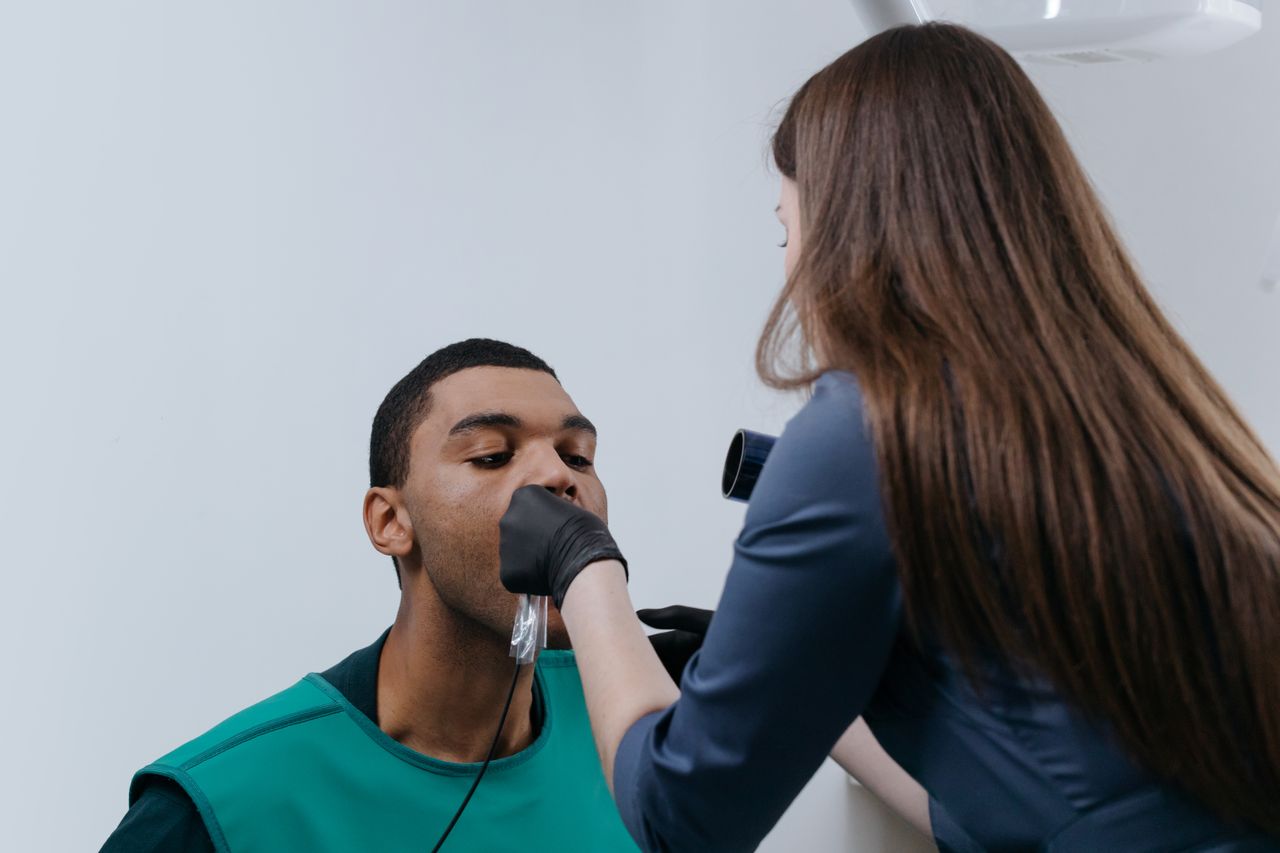
Breathing symptoms can be difficult to understand without objective testing. Coughing, wheezing, chest tightness, shortness of breath, exercise-related symptoms, and nighttime breathing problems may be caused by asthma, allergies, airway irritation, chronic cough, or another lung-related condition.
At Steven Schnipper MD, PC, patients receive personalized evaluation from an experienced board-certified allergist with offices in Murray Hill, NYC and New Rochelle, NY. Dr. Steven Schnipper uses pulmonary testing, including spirometry, to help evaluate lung function, identify possible asthma-related breathing problems, and guide a more effective treatment plan.
Spirometry can help answer an important question: How well are your lungs working?
Call the office or book online today to schedule a pulmonary testing and asthma evaluation.
What Is Pulmonary Testing?
Pulmonary testing refers to tests that measure how well your lungs and airways are working. These tests can help evaluate breathing symptoms, monitor asthma, and determine whether airflow is limited.
One of the most common pulmonary tests is spirometry. The American Lung Association describes spirometry as the most common type of pulmonary function or breathing test. It measures how much air you can breathe in and out of your lungs, as well as how easily and quickly you can blow air out.
Spirometry is especially helpful for patients with suspected or known asthma because it provides measurable information about airflow.
What Is Spirometry?
Spirometry is a common breathing test used to check how well your lungs work. During the test, you breathe into a mouthpiece connected to a spirometer. The machine measures how much air you breathe out and how quickly you can exhale.
Spirometry May Measure:
- How much air you can exhale after a deep breath
- How quickly you can blow air out
- Whether airflow may be narrowed or obstructed
- Whether asthma or another airway condition may be contributing to symptoms
- How your breathing compares with expected values for your age, height, and sex
- Whether your treatment plan may need adjustment
Spirometry is noninvasive and is performed in the office.
When Should You Consider Spirometry?
You may benefit from pulmonary testing if you have recurring or unexplained breathing symptoms, especially if symptoms worsen with allergies, exercise, illness, cold air, pets, pollen, dust, mold, smoke, or strong odors.
Spirometry May Be Helpful If You Have:
- Chronic cough
- Wheezing
- Shortness of breath
- Chest tightness
- Trouble taking a deep breath
- Coughing at night
- Cough after exercise
- Breathing symptoms during allergy season
- Asthma symptoms around pets, dust, mold, or pollen
- Frequent bronchitis-like episodes
- Rescue inhaler use
- Unclear response to asthma medication
- Symptoms that interfere with sleep, work, exercise, or daily activities
The CDC reports that 8.6% of U.S. adults and 6.5% of children currently had asthma in 2024, making asthma a common condition that often benefits from accurate diagnosis and monitoring.
Pulmonary Testing for Asthma
Asthma can cause airway inflammation and narrowing, making it harder to move air in and out of the lungs. Symptoms may come and go, which means the lungs may feel normal at some times and restricted at others.
Spirometry can help evaluate whether airway narrowing may be present.
Asthma Symptoms That May Need Testing Include:
- Wheezing
- Shortness of breath
- Chest tightness
- Nighttime cough
- Exercise-related cough
- Seasonal breathing symptoms
- Breathing symptoms around pets or dust
- Symptoms that improve with inhalers
- Symptoms that return after colds or respiratory infections
Because Dr. Schnipper specializes in both allergy and asthma, spirometry may be combined with allergy evaluation to help identify triggers and create a complete asthma care plan.
Pulmonary Testing for Chronic Cough
A chronic cough can have many causes, including asthma, allergies, postnasal drip, sinus inflammation, reflux, medication side effects, and airway irritation. When cough lasts for weeks or keeps returning, spirometry may help determine whether asthma or airway narrowing is part of the problem.
Spirometry May Be Helpful If Your Cough:
- Lasts more than eight weeks
- Worsens at night
- Occurs after exercise
- Flares during allergy season
- Happens around pets, dust, pollen, or mold
- Comes with wheezing or chest tightness
- Improves with asthma medication
- Returns after respiratory infections
- Interferes with sleep or daily comfort
If cough is related to allergic asthma, treatment may need to address both airway inflammation and allergy triggers.
Pulmonary Testing for Allergy-Triggered Breathing Symptoms
Allergies can affect more than the nose and eyes. In some patients, allergens can trigger lower airway symptoms such as coughing, wheezing, chest tightness, and shortness of breath.
Common Allergy Triggers for Breathing Symptoms Include:
- Tree pollen
- Grass pollen
- Ragweed
- Mold
- Dust mites
- Cat dander
- Dog dander
- Cockroach allergens
- Smoke and irritants
- Strong odors
- Seasonal weather changes
If breathing symptoms worsen during allergy season or around specific exposures, Dr. Schnipper may recommend both spirometry and allergy testing to better understand the full pattern.
What to Expect During Spirometry
Spirometry is a straightforward breathing test. You will be asked to breathe into a mouthpiece connected to a spirometer while following instructions from the office team.
During the Test, You May Be Asked To:
1. Sit Comfortably
You will usually sit upright so your breathing can be measured accurately.
2. Use a Nose Clip
A soft nose clip may be used so that all air moves through your mouth during the test.
3. Seal Your Lips Around the Mouthpiece
You will place your lips around the mouthpiece to prevent air from leaking.
4. Take a Deep Breath
You will breathe in as fully as possible.
5. Blow Out Hard and Fast
You will exhale forcefully into the machine so it can measure airflow.
6. Repeat the Test
The test is usually repeated several times to get the best and most reliable result.
The American Thoracic Society explains that spirometry is commonly performed by taking a deep breath and then blowing out all the air as fast as possible into a tube connected to a machine. The test is usually repeated at least three times to obtain the best result.
What Do Spirometry Results Show?
Spirometry results can help show whether air is moving normally through the lungs or whether airflow may be limited.
Common Spirometry Measurements Include:
FEV1
Forced expiratory volume in one second measures how much air you can forcefully blow out in the first second.
FVC
Forced vital capacity measures the total amount of air you can forcefully exhale after taking a deep breath.
FEV1/FVC Ratio
This compares how much air you exhale in the first second with the total amount of air exhaled. It can help identify airflow obstruction.
Spirometry Results May Help Determine:
- Whether airflow is reduced
- Whether symptoms suggest asthma
- Whether breathing medication may be helping
- Whether asthma control needs improvement
- Whether further testing or referral may be needed
- Whether symptoms may have another cause
Spirometry is one part of a full medical evaluation. Results are interpreted along with your symptoms, history, physical exam, triggers, and response to treatment.
Bronchodilator Testing
In some cases, spirometry may be performed before and after a bronchodilator medication. A bronchodilator helps relax the muscles around the airways and may improve airflow in patients with reversible airway narrowing.
Bronchodilator Testing May Help Evaluate:
- Whether airflow improves after medication
- Whether asthma is likely
- Whether current treatment may need adjustment
- Whether symptoms are reversible or persistent
- Whether additional evaluation may be needed
A strong improvement after bronchodilator medication can support an asthma diagnosis, but the full clinical picture still matters.
How to Prepare for Pulmonary Testing
Preparation instructions may vary depending on your symptoms and medications. The office will provide guidance before your visit when needed.
General Preparation May Include:
- Wear comfortable clothing that does not restrict your breathing
- Avoid heavy meals right before testing if instructed
- Avoid strenuous exercise before the test if instructed
- Bring your inhalers and medication list
- Tell the office if you recently had a respiratory infection
- Tell Dr. Schnipper if symptoms are worse than usual
- Ask whether any breathing medications should be held before testing
- Do not stop prescription medications unless instructed by a physician
Cleveland Clinic notes that patients may be asked to stop breathing medicines briefly, wear loose clothing, avoid heavy exercise, and avoid tobacco products before pulmonary function testing to help ensure accurate results.
Is Spirometry Safe?
Spirometry is generally safe and noninvasive. Because it requires deep breathing and forceful exhalation, some patients may temporarily feel lightheaded, short of breath, or cough during the test.
Tell the Office Before Testing If You Have:
- Recent chest pain
- Recent heart attack or stroke
- Recent eye, chest, or abdominal surgery
- Severe shortness of breath
- Active respiratory infection
- Coughing up blood
- Uncontrolled asthma symptoms
- Any condition that makes forceful breathing difficult
Dr. Schnipper can determine whether spirometry is appropriate based on your health history and current symptoms.
Spirometry vs. Peak Flow Testing
Spirometry and peak flow testing both measure breathing, but they are not the same.
Spirometry
Spirometry is an office-based test that measures several aspects of lung function, including how much air you exhale and how quickly you exhale.
Peak Flow
A peak flow meter measures how hard you can blow air out. It may be used at home by some patients to monitor asthma patterns over time.
Spirometry provides more detailed information and can be especially useful for diagnosis and treatment planning.
Pulmonary Testing and Allergy Testing Together
Breathing symptoms often have more than one cause. For many patients, asthma symptoms are triggered by allergens such as pollen, dust mites, mold, cats, or dogs. In these cases, pulmonary testing and allergy testing may work together.
Combined Evaluation May Help Identify:
- Whether asthma is contributing to cough or wheeze
- Whether allergies are triggering asthma symptoms
- Which allergens are most relevant
- Whether allergy treatment may improve breathing symptoms
- Whether allergy shots may be appropriate
- Whether inhaler treatment needs adjustment
Dr. Schnipper’s services page explains that an allergy evaluation can help identify asthma triggers and help prevent asthma symptoms. He usually performs allergy testing to help identify triggers and then develops an individualized plan to avoid triggers and provide appropriate medication.
Pulmonary Testing in New York City and New Rochelle
Patients in Murray Hill, Midtown Manhattan, Kips Bay, Gramercy, Grand Central, New Rochelle, and Westchester may experience breathing symptoms from both indoor and outdoor triggers.
Common Local Breathing Triggers Include:
- Seasonal pollen
- Dust mites in apartments and offices
- Mold in older buildings
- Pet dander
- Air pollution
- Smoke
- Strong odors
- Cold winter air
- Humidity
- Viral respiratory infections
- Workplace irritants
- Exercise outdoors during high-pollen days
Pulmonary testing can help clarify whether symptoms are related to asthma, chronic cough, allergies, or airway irritation.
Why Choose Steven Schnipper, MD for Pulmonary Testing and Spirometry?
Breathing symptoms deserve a careful, personalized evaluation. Dr. Schnipper combines asthma expertise, allergy evaluation, trigger identification, and pulmonary testing to help patients understand what is causing their symptoms and how to manage them.
Patients Choose Steven Schnipper MD, PC Because:
- Board-certified allergist
- More than 25 years of allergy and asthma experience
- Personalized one-on-one physician care
- Pulmonary testing for asthma and breathing symptoms
- Evaluation for chronic cough, wheezing, shortness of breath, chest tightness, and allergy-triggered asthma
- Care for asthma, hay fever, chronic cough, pet allergies, mold allergy, dust mite allergy, food allergies, hives, eczema, drug allergies, bee sting allergies, and anaphylaxis
- Convenient Murray Hill, NYC office
- Convenient New Rochelle, NY office
- Treatment plans based on symptoms, triggers, testing, and lifestyle
- Care focused on improving breathing, comfort, sleep, and daily function
Dr. Schnipper helps patients move beyond guessing and toward a clearer understanding of their breathing symptoms.
Pulmonary Testing Near Murray Hill, NYC
The Manhattan office is located in Murray Hill, convenient for patients searching for:
- Pulmonary testing NYC
- Spirometry NYC
- Asthma testing Manhattan
- Lung function test Murray Hill
- Breathing test near Grand Central
- Chronic cough testing NYC
- Allergy asthma testing NYC
- Spirometry test near me
New York Office
345 E 37th St, Suite 314
New York, NY 10016
Phone: (212) 681-6200
Pulmonary Testing in New Rochelle, NY
Dr. Schnipper also sees patients in New Rochelle, serving patients in Westchester and nearby communities.
New Rochelle Office
175 Memorial Hwy, Suite 2-10
New Rochelle, NY 10801
Phone: (914) 633-3229
Schedule Pulmonary Testing and Spirometry
If coughing, wheezing, chest tightness, shortness of breath, exercise symptoms, or nighttime breathing problems are affecting your life, pulmonary testing may help provide answers. Dr. Steven Schnipper provides spirometry and personalized asthma and allergy evaluation for patients in Murray Hill, NYC and New Rochelle, NY.
Call the office nearest you or book online today to schedule a pulmonary testing and spirometry consultation with Dr. Steven Schnipper.
Pulmonary Testing and Spirometry FAQ
What is spirometry?
Spirometry is a breathing test that measures how much air you can exhale and how quickly you can blow air out after taking a deep breath.
What does spirometry test for?
Spirometry can help evaluate airflow and may help diagnose or monitor asthma and other breathing conditions. It is also useful for symptoms such as chronic cough, wheezing, chest tightness, and shortness of breath.
Is spirometry the same as pulmonary testing?
Spirometry is one type of pulmonary function test. It is one of the most common breathing tests used to evaluate lung function.
Can spirometry diagnose asthma?
Spirometry can support an asthma diagnosis by showing airflow limitation or improvement after bronchodilator medication. Dr. Schnipper interprets results along with your symptoms, triggers, history, and response to treatment.
Does spirometry hurt?
No. Spirometry is noninvasive and does not hurt. Some patients may cough, feel briefly lightheaded, or feel short of breath during forceful breathing.
How long does spirometry take?
The breathing portion is usually brief, although the full appointment may take longer because Dr. Schnipper reviews your symptoms, history, medications, and treatment plan.
Do I need to stop inhalers before spirometry?
Sometimes. Certain breathing medications may affect results. Ask the office before your visit and do not stop prescription medication unless instructed.
Can pulmonary testing help chronic cough?
Yes. Spirometry may help determine whether asthma or airway narrowing is contributing to a chronic cough, especially when cough worsens at night, during exercise, after colds, or around allergy triggers.
Can allergies affect spirometry results?
Allergies can trigger asthma or airway inflammation in some patients. If allergies are affecting your breathing, spirometry and allergy testing together may help guide treatment.
What should I bring to a pulmonary testing appointment?
Bring your inhalers, medication list, allergy history, asthma history, prior breathing test results, emergency room records if relevant, and notes about when your symptoms occur.
Can spirometry show if my asthma medication is working?
Yes. Spirometry can help monitor lung function and may help determine whether your asthma treatment plan is controlling airflow limitation.
Who should consider pulmonary testing?
Patients with chronic cough, wheezing, shortness of breath, chest tightness, exercise-related symptoms, nighttime cough, or suspected asthma may benefit from pulmonary testing.